July 2024
They built it. Now they run it.
Nurses across Nepal told us what to build. We listened. Here is what came out of it.
Nurses across Nepal told us what to build. We listened. Here is what came out of it.

We didn't design the Nepal program. We designed it with them.
That distinction mattered from the start.
Healthcare workers in Nepal had been doing this work for years before we arrived. They knew what could be taught in a ward corridor in ten minutes. They knew what patients actually listened to. They knew which topics came up again and again and which ones never landed.
We just needed to ask.
So we interviewed nurses across the country. Sat with them. Listened to what they thought a Care Companion Program should actually teach, in their words, from their experience.
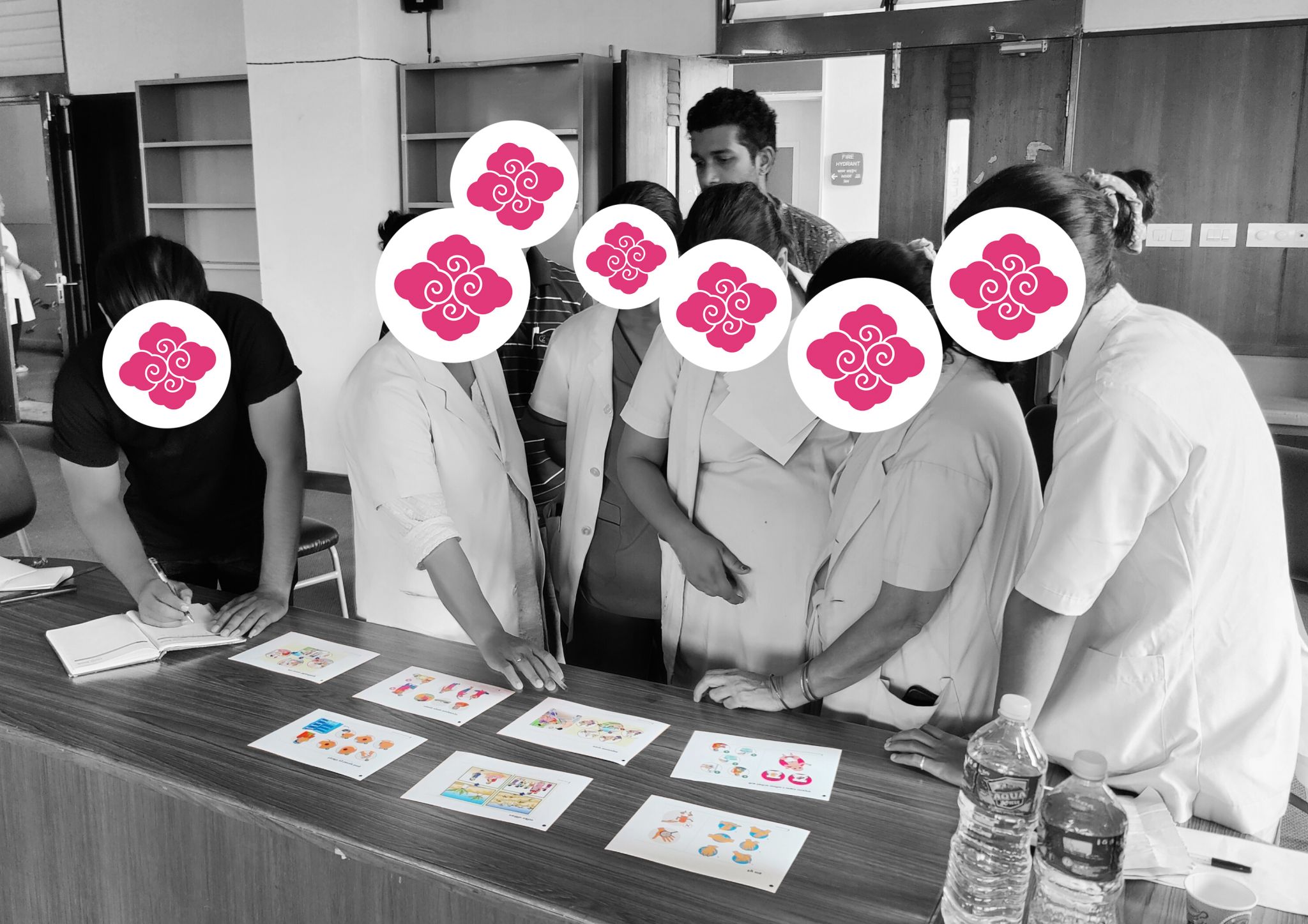
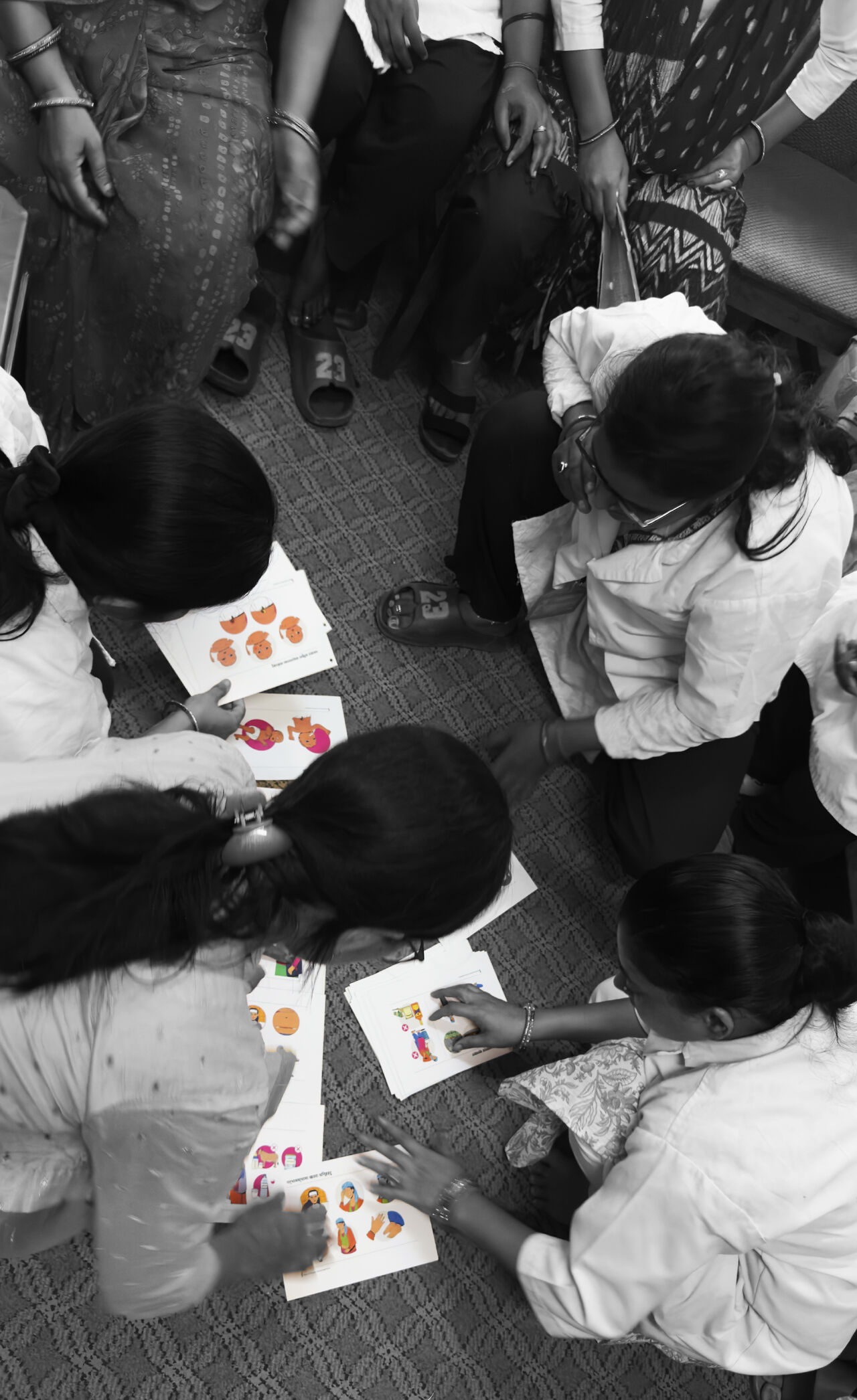
Then we tried something more structured. A gamified activity we called "Make your tool" where healthcare workers, across different levels of expertise, helped us map out the key healthy behaviours worth teaching in a 10 to 15 minute session. They also ran role-plays to pressure test the timing. Not to perform for us. To check if it was actually possible.
It was.
What I keep thinking about:
Co-creation is easy to say and hard to do honestly. The temptation is always to arrive with a framework and dress the workshops up as participation. We tried to resist that here.
The Nepal CCP program running in hospitals today carries something most programs don't. The people delivering it helped build it. That's not a small thing.
We didn't design the Nepal program. We designed it with them.
That distinction mattered from the start.
Healthcare workers in Nepal had been doing this work for years before we arrived. They knew what could be taught in a ward corridor in ten minutes. They knew what patients actually listened to. They knew which topics came up again and again and which ones never landed.
We just needed to ask.
So we interviewed nurses across the country. Sat with them. Listened to what they thought a Care Companion Program should actually teach, in their words, from their experience.
Then we tried something more structured. A gamified activity we called "Make your tool" where healthcare workers, across different levels of expertise, helped us map out the key healthy behaviours worth teaching in a 10 to 15 minute session. They also ran role-plays to pressure test the timing. Not to perform for us. To check if it was actually possible.
It was.
What I keep thinking about:
Co-creation is easy to say and hard to do honestly. The temptation is always to arrive with a framework and dress the workshops up as participation. We tried to resist that here.
The Nepal CCP program running in hospitals today carries something most programs don't. The people delivering it helped build it. That's not a small thing.